Toyo Ito Architecture
Space, Nature, and the Art of Living

Toyo Ito Architecture

Space, Nature, and the Art of Living

Latest Articles

Too Much Sky: The Hidden Cost of Living Without Walls
Residential Design & Living

Too Much Sky: The Hidden Cost of Living Without Walls

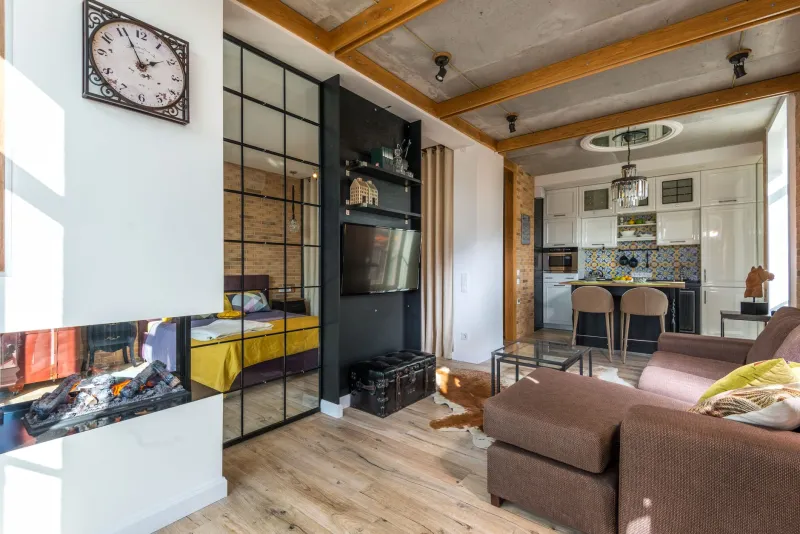
For decades, Americans embraced the open floor plan as the ultimate expression of modern freedom. Yet a growing body of research—and a quiet revolution in home renovation—suggests that the erasure of walls has come at a steep psychological price. This piece examines what we lose when every room becomes every other room, and what Japanese spatial philosophy offers in response.

Aug 10, 2026

The Door That Isn't There: Designing Psychological Separation in the Boundaryless Home
Architecture & Urban Design

The Door That Isn't There: Designing Psychological Separation in the Boundaryless Home

When home and office occupy the same floor plan, the architecture of daily life begins to collapse inward. Exploring the charged psychology of thresholds—those liminal passages between one mode of being and another—this piece examines why meaningful transitions matter more than ever, and how deliberate design can restore them even when physical space is scarce.

Aug 10, 2026

Against Perfection: Why the Most Alive Spaces Are the Ones That Resist Completion
Architecture & Urban Design

Against Perfection: Why the Most Alive Spaces Are the Ones That Resist Completion

The relentless optimization of our built environments—driven by data, algorithm, and the seductive promise of frictionless living—may be producing spaces that are technically flawless and experientially hollow. This philosophical inquiry examines the case for productive imperfection in architecture and design, arguing that spaces which challenge, surprise, and occasionally resist us are the ones we come to inhabit most fully.

Aug 10, 2026

The Partitioned Life: When Boundaries Stop Protecting Us and Start Dividing Us
Architecture & Urban Design

The Partitioned Life: When Boundaries Stop Protecting Us and Start Dividing Us

Modern American homes and offices have become exercises in relentless subdivision—room after room, door after door, boundary after boundary. What began as a pursuit of privacy and function has quietly produced spaces that fragment daily life into disconnected episodes, elevating anxiety and eroding the sense of belonging that good architecture is meant to support. The question is not whether boundaries matter, but how many we can afford.

Jul 29, 2026

Designed to Remain Unfinished: The Architecture of Personal Evolution
Residential Design & Living

Designed to Remain Unfinished: The Architecture of Personal Evolution

The most honest homes are not those that declare a final statement, but those that hold space for the person you have not yet become. Drawing on Japanese principles of impermanence and the American tradition of self-reinvention, this piece argues that adaptive, intentionally incomplete interiors are among the most humane achievements in residential design. A fixed room is a fixed identity—and few of us remain fixed for long.

Jul 29, 2026

Sealed Against the Sky: What We Surrendered When We Perfected Climate Control
Architecture & Urban Design

Sealed Against the Sky: What We Surrendered When We Perfected Climate Control

For most of human history, the interior of a building was never fully separate from the world outside it. Seasons arrived through windows, walls, and the slow transformation of materials. Then came mechanical climate control, and with it, an architecture of perpetual sameness—sealed, temperature-regulated, and quietly severed from the passage of time. This piece examines what that severance has cost us, and what it might mean to design our way back.

Jul 29, 2026

The Architecture of Quiet: Confronting America's Built-In Noise Problem
Architecture & Urban Design

The Architecture of Quiet: Confronting America's Built-In Noise Problem

American buildings are growing louder, and the consequences extend well beyond annoyance. From open-plan offices to glass-clad apartment towers, contemporary construction has systematically deprioritized acoustic comfort—with measurable effects on cognition, stress, and health. This piece examines the design failures behind the noise crisis and the material, spatial, and philosophical choices that can restore silence as a fundamental quality of the built environment.

Jul 28, 2026

Designed for Someone Else: Reclaiming the Home as an Expression of Self
Residential Design & Living

Designed for Someone Else: Reclaiming the Home as an Expression of Self

The modern American home is, in many cases, a space designed for a statistical average rather than a living person. When architecture imposes a universal template on deeply individual lives, something essential is lost. This piece examines how residential design can be recalibrated to reflect—and even reinforce—the values, habits, and identities of the people who actually inhabit it.

Jul 28, 2026

Gathering, Interrupted: How Architecture Can Rebuild America's Lost Common Ground
Architecture & Urban Design

Gathering, Interrupted: How Architecture Can Rebuild America's Lost Common Ground

Across American cities and suburbs, the informal spaces where people once lingered, conversed, and belonged have quietly disappeared. Reviving them requires more than nostalgia—it demands a rethinking of how architecture invites the unplanned and the unhurried. Drawing on principles of transitional design, this piece examines what it would take to restore the social architecture of everyday life.

Jul 28, 2026

Reclaiming the Room: How Defined Spaces Are Restoring Clarity, Privacy, and Purpose to American Homes
Residential Design & Living

Reclaiming the Room: How Defined Spaces Are Restoring Clarity, Privacy, and Purpose to American Homes

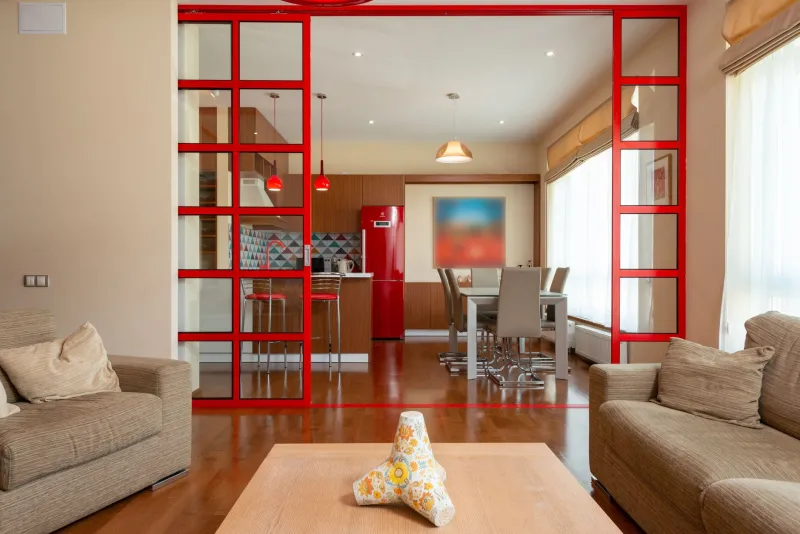
After two decades of celebrating the open floor plan as the pinnacle of modern living, a quiet but significant reversal is underway in American residential design. Homeowners and architects alike are returning to the idea that walls — far from being obstacles — are instruments of psychological order. This piece examines why spatial boundaries matter more than we were led to believe, and what their absence has quietly cost us.

Jul 22, 2026

In Between: The Forgotten Architecture of Passage and What It Costs Us to Ignore It
Residential Design & Living

In Between: The Forgotten Architecture of Passage and What It Costs Us to Ignore It

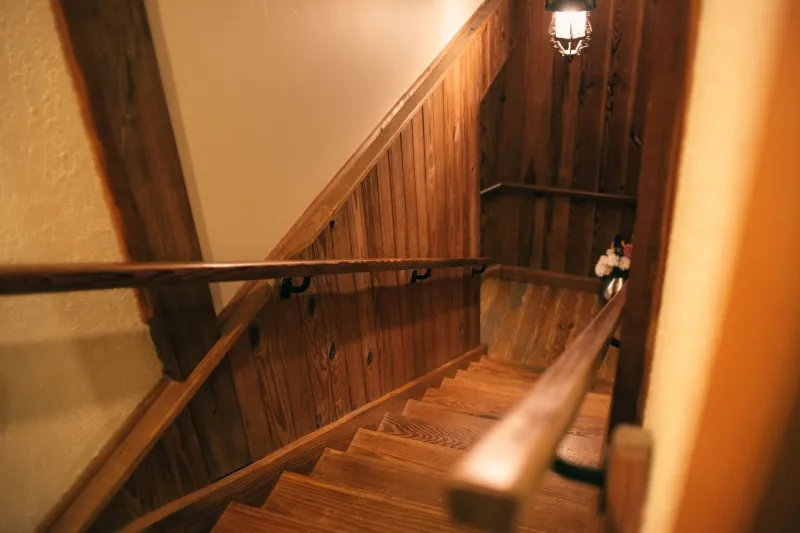
Hallways, doorways, and corridors are routinely treated as architectural afterthoughts—necessary connective tissue that consumes square footage without earning its keep. Yet these transitional spaces may be the most psychologically consequential zones in any building, quietly shaping how we feel, orient ourselves, and move through the world we inhabit.

Jul 21, 2026

Why Curves Feel Like Home: The Neuroscience of Soft Architecture in American Public Life
Architecture & Urban Design

Why Curves Feel Like Home: The Neuroscience of Soft Architecture in American Public Life

Emerging research in environmental neuroscience reveals that the geometry of a space does far more than organize movement — it shapes mood, social behavior, and our fundamental sense of safety. As American institutions from hospitals to transit hubs reconsider their built environments, the case for curved, organic architecture has never been more compelling. This article examines the science and the practice behind spaces that feel, unmistakably, like they welcome you.

Jul 21, 2026

Hearing Architecture: Why the Sounds a Building Makes Are as Important as the Shapes It Casts
Architecture & Urban Design

Hearing Architecture: Why the Sounds a Building Makes Are as Important as the Shapes It Casts

Architecture is conventionally judged by what the eye perceives—form, light, material texture. Yet every space communicates equally through sound, and the most thoughtfully designed environments are those where the acoustic dimension has been orchestrated with the same rigor applied to the visual. This examination explores how the sonic character of a building shapes human behavior, emotional well-being, and the fundamental quality of lived experience.

Jul 21, 2026

What Buildings Remember: The Emotional Life of Architectural Materials
Residential Design & Living

What Buildings Remember: The Emotional Life of Architectural Materials

The materials that compose a home are far more than structural necessities or surface finishes — they are the silent keepers of lived experience. From the warm grain of aged timber to the cool solidity of exposed concrete, tactile qualities shape how we feel, remember, and belong within a space. This exploration examines how a thoughtful material philosophy can transform a house into a place that grows more meaningful with every passing year.

Jul 21, 2026

Proportioned for Living: How the Hidden Geometry of Space Shapes Your Daily Rhythm
Architecture & Urban Design

Proportioned for Living: How the Hidden Geometry of Space Shapes Your Daily Rhythm

Behind every room that feels effortlessly right lies a set of proportional decisions made long before the first wall was raised. The relationships between ceiling height and floor area, corridor width and room sequence, threshold and threshold — these are the invisible mathematics of lived experience. Understanding how spatial proportion influences movement, rest, and routine offers architects and homeowners alike a more precise language for designing spaces that genuinely support well-being.

Jul 21, 2026

The Invisible Architect: How Natural Light Shapes the Way We Live, Think, and Feel
Residential Design & Living

The Invisible Architect: How Natural Light Shapes the Way We Live, Think, and Feel

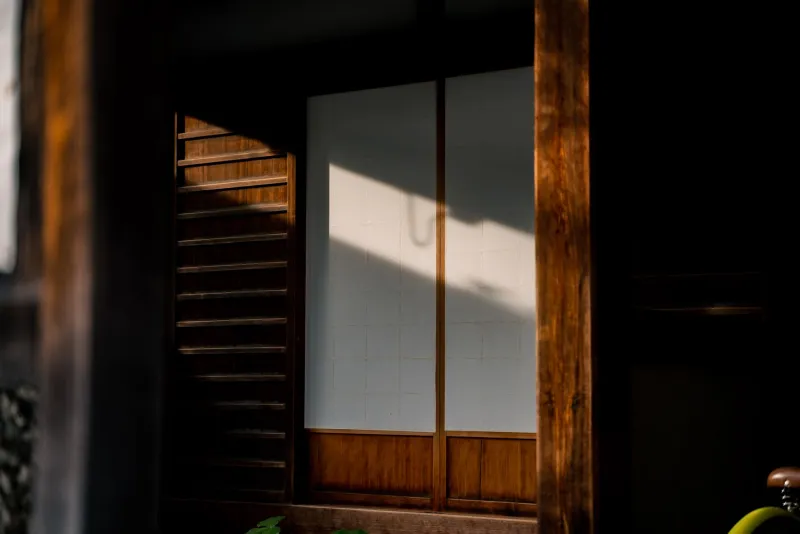
Natural light is the most fundamental material in architecture—and the most frequently misunderstood. Far beyond aesthetics, the quality, angle, and rhythm of daylight within a home directly influences sleep cycles, emotional states, and cognitive performance. Drawing on neuroscience, design philosophy, and the principles that have guided Toyo Ito's luminous spatial vocabulary, this article offers homeowners and designers a deeper understanding of light as a living, behavioral force.

Jul 20, 2026

Designing Against Isolation: How Architecture Can Quietly Rebuild the Social Fabric
Architecture & Urban Design

Designing Against Isolation: How Architecture Can Quietly Rebuild the Social Fabric

Across the United States, loneliness has emerged as one of the most pressing public health concerns of our era—and architects are increasingly asking whether the built environment bears some responsibility. From the configuration of front stoops to the placement of communal kitchens, spatial decisions carry profound social consequences. This piece examines how intentional design can restore human connection without compromising the privacy that modern life demands.

Jul 20, 2026

Walls That Breathe: Rethinking the Edge Between Home and Horizon
Architecture & Urban Design

Walls That Breathe: Rethinking the Edge Between Home and Horizon

The rigid boundary separating interior life from the natural world is giving way to a new architectural vocabulary—one that invites light, air, and landscape into the very fabric of a building. Rooted in Japanese spatial philosophy and increasingly embraced by American designers and homeowners alike, this movement is redefining what it means to inhabit a space. Here, we examine the principles, the projects, and the human need driving this transformation.

Jul 20, 2026

The Workplace Against the Body: How Spatial Design Became a Public Health Issue
Residential Design & Living

The Workplace Against the Body: How Spatial Design Became a Public Health Issue

Decades of efficiency-driven office design have produced environments that quietly erode concentration, creativity, and physical health—and the return-to-office era is forcing a long-overdue reckoning. Architects and organizational leaders are now confronting a fundamental question: what does a workplace designed for human beings, rather than human output, actually look like? The answer is reshaping corporate campuses, urban towers, and the very definition of professional space across America.

Jul 20, 2026

From Tokyo to Times Square: How Japanese Design Thinking Is Quietly Transforming American Cities
Architecture & Urban Design

From Tokyo to Times Square: How Japanese Design Thinking Is Quietly Transforming American Cities

A quiet revolution is unfolding across American cities as architects and urban planners draw from centuries-old Japanese design philosophy to create more livable, humane environments. Concepts like ma, wabi-sabi, and the seamless integration of nature into built form are no longer confined to the pages of design journals—they are reshaping streetscapes, public plazas, and residential neighborhoods from Seattle to Miami. This exploration examines the real-world impact of these principles and why

Jul 20, 2026